
A well-designed battle belt creates a balanced and organized setup that improves mobility, comfort, and readiness. Pairing it with a reliable IFAK helps ensure quick access to critical medical supplies while maintaining an efficient gear arrangement. The right combination supports smoother movement, faster response times, and better overall performance during demanding situations.
Start With a Strong Foundation
The belt itself is the core of the entire setup. Choosing a sturdy and supportive design helps distribute weight evenly while preventing discomfort during extended wear.
Key qualities to look for include:
- Durable construction materials
- Adjustable sizing for a secure fit
- Strong fastening systems
- Comfortable inner padding
- Lightweight yet supportive structure
- Reliable attachment compatibility
A stable belt reduces shifting and keeps essential gear positioned correctly throughout movement.
Prioritize a Practical Layout
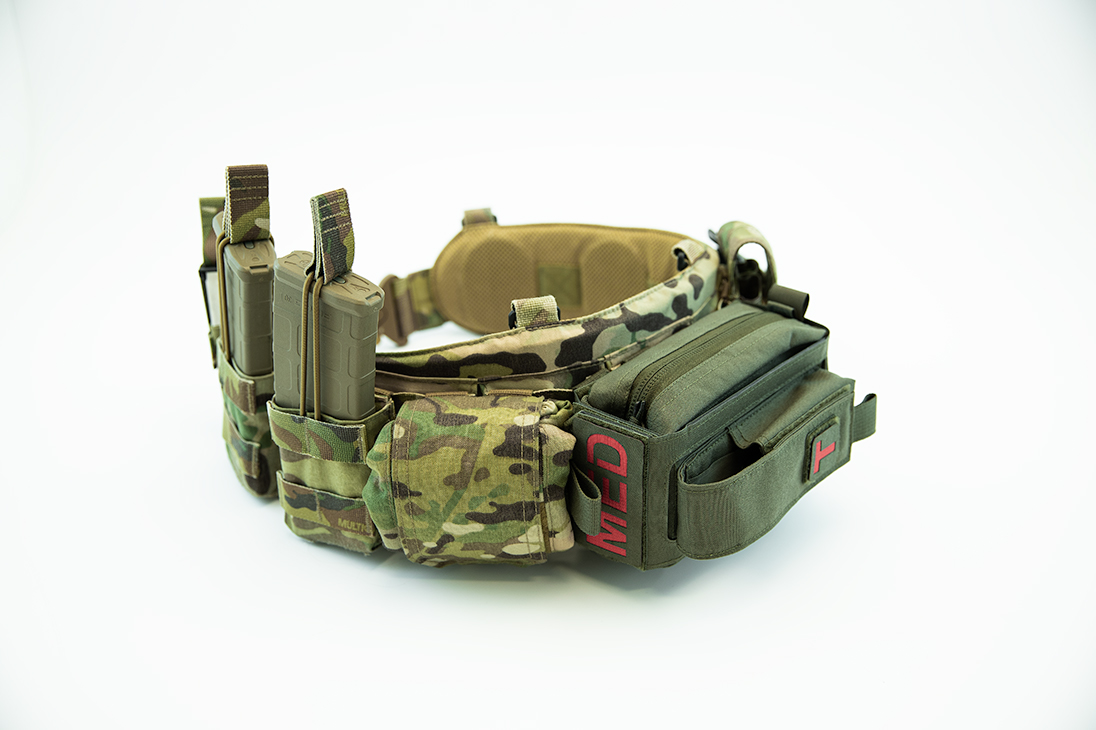
Organizing equipment carefully is one of the most important parts of building an effective battle belt. Every item should be easy to reach without slowing down movement.
Helpful layout tips include:
- Keep frequently used gear within immediate reach
- Place heavier items evenly across the belt
- Avoid overcrowding the setup
- Leave enough space for flexibility and comfort
- Position tools consistently for muscle memory
- Maintain a balanced weight distribution
A clean arrangement improves efficiency while reducing unnecessary distractions.
Choosing the Right IFAK
A dependable IFAK is one of the most valuable additions to a battle belt. It should provide fast access to emergency medical supplies belt ifak without adding excessive bulk.
Important features to consider include:
Compact yet Spacious Design
A good pouch remains streamlined while still carrying essential medical components.
Benefits include:
- Reduced weight
- Improved comfort
- Better mobility
- Easier organization
- Faster access to supplies
Quick Access Functionality
Medical emergencies require immediate response. Fast-opening designs help save valuable time.
Look for features such as:
- Smooth opening systems
- Easy-grab pull handles
- Organized internal compartments
- Secure retention without difficult access
Reliable Retention
The IFAK should stay firmly attached during movement while keeping supplies protected.
Useful retention features include:
- Strong mounting systems
- Reinforced stitching
- Secure closures
- Stable pouch positioning
Essential Gear Placement Tips
Strategic positioning improves both comfort and functionality.
Front Area
Keep this section lighter to maintain flexibility when bending or kneeling.
Suitable items may include:
- Small utility tools
- Compact pouches
- Lightweight accessories
Side Areas
The sides allow quick access to essential equipment.
Good placement options include:
- Magazine pouches
- Medical kits
- Multi-use tools
Rear Area
The back section works best for lower-priority or lightweight items.
Avoid placing bulky equipment here to prevent discomfort while sitting or moving.
Focus On Comfort and Mobility
A battle belt should support natural movement rather than restrict it. Testing the setup while walking, kneeling, and changing positions helps identify pressure points or imbalances.
Ways to improve comfort include:
- Adjusting pouch spacing
- Reducing unnecessary gear
- Keeping the load evenly balanced
- Securing loose attachments
- Using lightweight accessories whenever possible
A comfortable setup allows longer wear times with less fatigue.
Train with Your Setup Regularly
Building the perfect battle belt is not only about selecting equipment. Regular practice helps improve familiarity, speed, and confidence.
Training benefits include:
- Faster gear access
- Improved movement efficiency
- Better equipment awareness
- Enhanced emergency response capability
- Greater overall readiness
A thoughtfully arranged battle belt combined with a reliable IFAK creates a dependable setup that supports organization, mobility, and preparedness in a wide range of demanding situations.