
PC hardware selection involves more than choosing individual components based on specifications. Understanding compatibility, memory capacity, connectivity, cooling, and power requirements can help create a balanced computing environment. Technical discussions around specialized hardware can also encourage readers to learn more about system architecture and responsible configuration practices.
Understanding Hardware Compatibility
Compatibility is an important consideration when building or upgrading a computer. Components need to work together effectively, while available interfaces and system resources should match the requirements of the intended configuration.
A clear understanding of compatibility can make hardware research easier and help users appreciate the relationships between different components.
- Component compatibility supports balanced configurations.
- Interface requirements help guide hardware selection.
- System resources influence configuration choices.
- Technical specifications provide useful comparison points.
- Compatible components can encourage reliable operation.
Exploring Memory Requirements
Memory plays an important role in overall computing performance and system responsiveness. Different workloads can require different amounts of memory, making capacity and configuration useful topics for technical research.
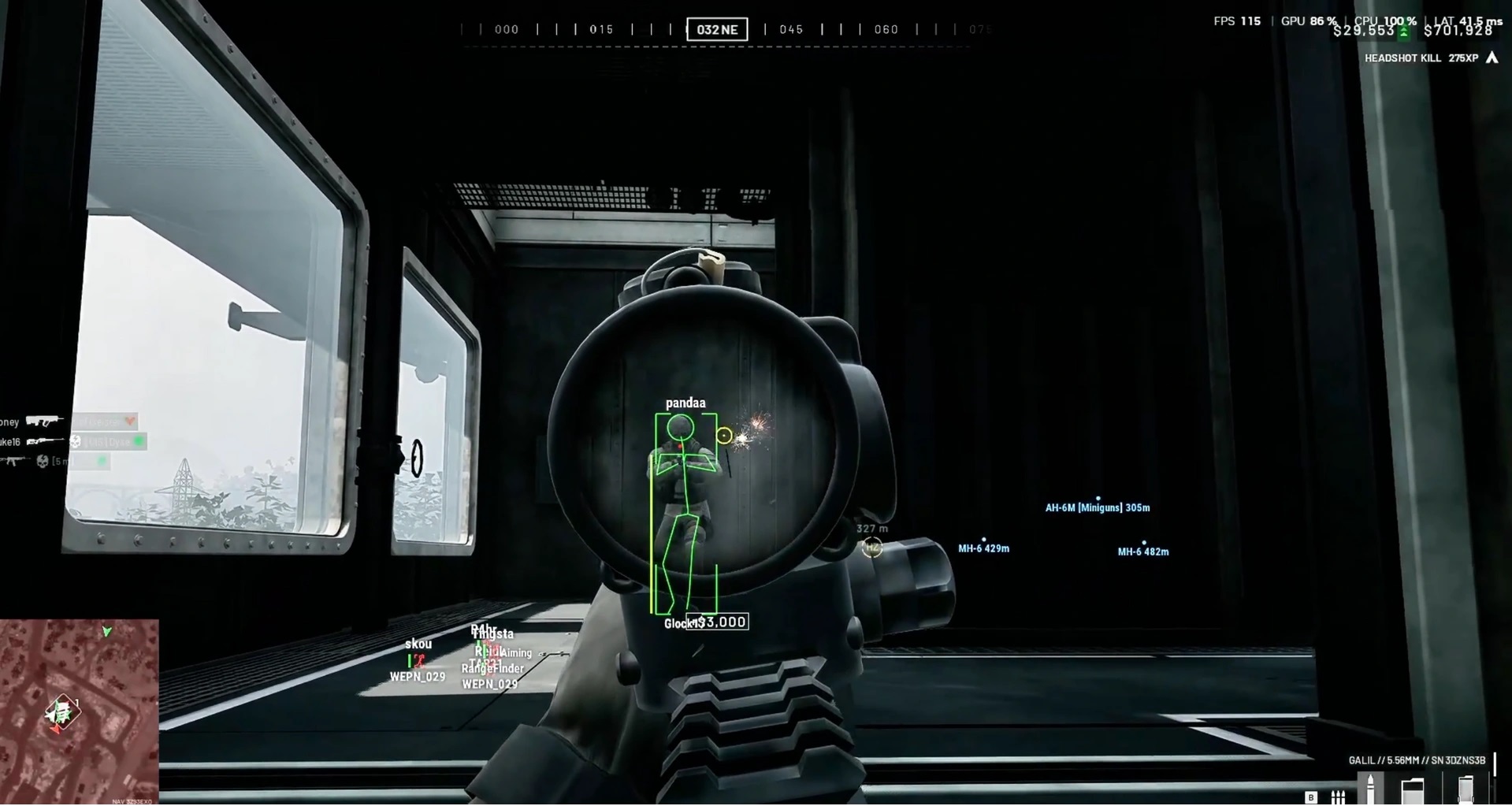
Discussions surrounding wardogs dma cheats can introduce broader questions about memory access and hardware architecture. Examining these concepts from an educational perspective can help readers understand how modern systems manage information between components.
- Memory capacity supports different computing workloads.
- Memory architecture provides valuable technical insight.
- Data access concepts explain system communication.
- Configuration choices can influence system efficiency.
- Memory research encourages stronger hardware awareness.
Considering Connectivity And Interfaces
Connectivity determines how hardware components communicate with one another. Understanding available interfaces, expansion options, and connection requirements can help readers evaluate whether a particular configuration is suitable for their intended computing environment.
These considerations are especially useful when examining specialized hardware because successful integration depends on appropriate connections and compatible system resources.
- Interfaces provide pathways for component communication.
- Expansion options can increase configuration flexibility.
- Connection standards support hardware compatibility.
- Technical requirements help simplify product comparisons.
- Connectivity knowledge encourages informed decisions.
Focusing On Power And Cooling
Power delivery and thermal management are essential parts of a well-planned PC configuration. Components require suitable power resources, while effective cooling helps maintain stable operating conditions during demanding workloads.
Considering these factors alongside performance specifications creates a more complete approach to hardware planning. Balanced configurations can provide a dependable foundation for continued computing use.
- Power requirements help guide component selection.
- Cooling supports consistent hardware operation.
- Thermal considerations contribute to system stability.
- Balanced configurations can improve overall reliability.
- Hardware planning benefits from complete system awareness.
Building Better Hardware Knowledge
Learning about PC hardware encourages users to look beyond individual specifications and understand how complete systems function. Architecture, compatibility, memory, connectivity, power, and cooling all contribute to a successful configuration.
Technical guides can make these subjects easier to explore by presenting complex concepts in an accessible way. Continued learning can build confidence, encourage thoughtful hardware research, and support responsible decisions when evaluating specialized computing technologies.
- Hardware education strengthens technical understanding.
- System architecture connects different configuration factors.
- Research can encourage informed hardware selection.
- Clear information makes complex subjects approachable.
Continued learning supports responsible technology exploration